 Many Card Games
Yaniv rules
Call at five points or less — but a lower hand turns it against you.
- 2-6 players
- Standard deck
An Israeli game that spread through backpacker hostels and is now played worldwide. Call yaniv when your hand is small enough — and hope nobody has less.
The deck
A 52-card deck, usually with two jokers. Five cards each.
Card values
Ace 1, number cards face value, court cards 10, joker 0. Only the total matters.
Your turn
Discard, then draw. You may discard:
A single card. A set of two or more cards of the same rank. A run of three or more consecutive cards in the same suit.
Then draw either the top card of the deck, or one of the cards the previous player just discarded — you may take either end of a run they laid down.
Calling yaniv
At the start of your turn, if your hand totals seven or less (five at some tables), you may call yaniv. All hands are revealed.
If yours is the lowest, you score zero and everyone else scores their hand total.
Assaf
If someone else has an equal or lower total, they have assafed you. You take a 30-point penalty plus your own hand, and they score zero. This is the whole tension of the game — calling at seven with three players still drawing is a gamble.
Scoring
Players accumulate points and the lowest total wins. Play to 100 or 200.
At exactly 50 or 100 points, your score drops by half — the one bit of luck that can save a losing player, and a reason to aim for it deliberately.
Yaniv: an example game
One game of Yaniv followed from the deal to the finish, move by move, with the reason for each choice.
The deal
Three players — you, Ada and Bo — calling at seven, playing to 100, with jokers. Bo deals, so you go first. Your hand is 9♠, 9♦, 4♣, 2♥ and K♥: 34 points. The card turned up is 3♠.
Ada and Bo hold five cards each, and you cannot see them.
Throwing the pair
You throw the two nines — 18 points in one go — and take the 3♠ from the pile instead of drawing blind. Your hand is 4♣, 2♥, K♥ and 3♠: 19.
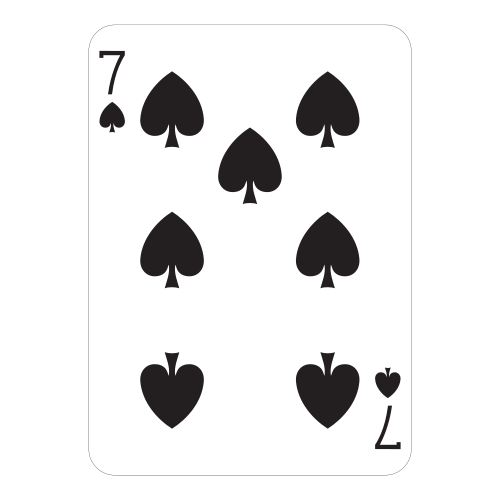
Ada throws a pair of kings and draws from the deck. Bo lays a run, 5♥ 6♥ 7♥, and draws.
Getting under the line
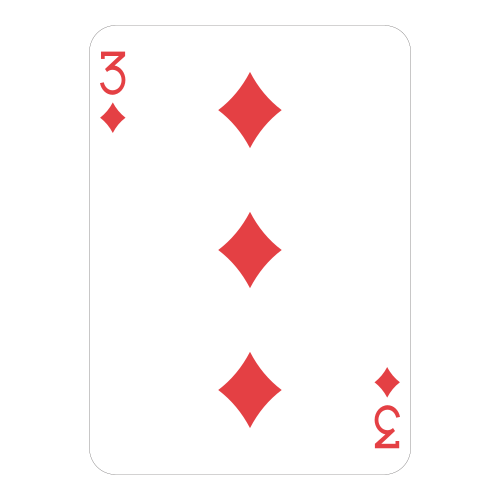
You throw K♥. From Bo's run you could take 5♥ or 7♥, but not the 6♥ in the middle; neither helps, so you draw from the deck and get A♦. You hold 4♣, 2♥, 3♠ and A♦: 10.
Ada throws Q♠, Bo throws 8♣. You throw the 4♣ and draw a joker, worth nothing: 2♥, 3♠, A♦ and the joker make 6. Ada throws 6♠ and draws; Bo throws J♥ and draws.
The call
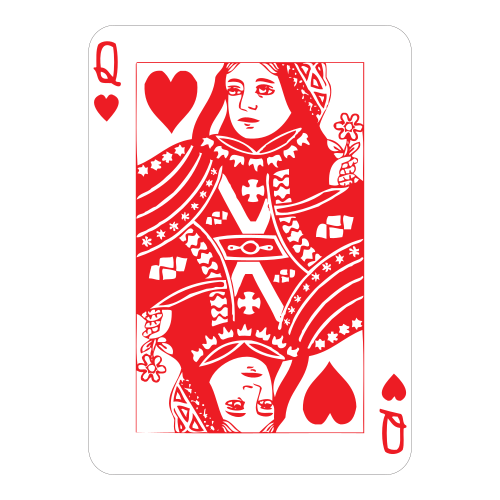
Your turn, and you are on 6 — under the line. Bo has three cards and has been throwing high ones, but Ada has four cards and threw her kings, a queen and a six. She may be low.
You call yaniv anyway. All hands are shown.
Assaf
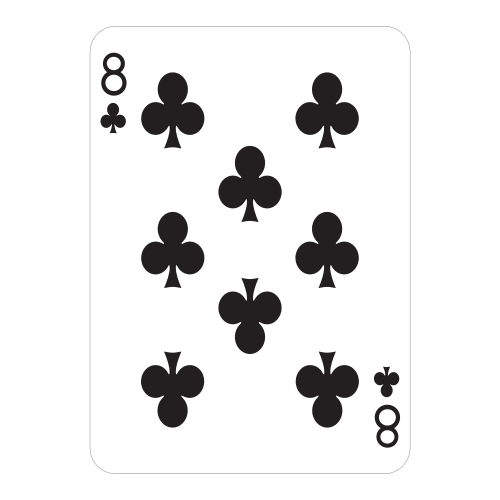
Ada holds A♣, A♥, 2♠ and the other joker: 4. Lower than your 6, so she has assafed you. You take 30 plus your 6, which is 36. Ada scores nothing. Bo holds Q♦, 10♣ and 7♦ and scores 27.
The scores are you 36, Ada 0, Bo 27. Ada took the hand, so she leads the next one.
The halving
Two hands later Bo is caught holding 23 points. That puts him on exactly 50, and his score is cut in half to 25 — the one piece of luck in the scoring, and the reason a player near 50 or 100 counts more carefully than anyone.
Your lesson from the first hand: Ada's short hand and low discards were the warning, and waiting one more round to get to 3 or less would have been safer.
Found a mistake, or something unclear, in these rules? Tell us